Doing History
"Doing History" is an innovative format for History lessons and life-long learning. High quality films produced by history specialists and media pedagogues using new creative paths.

Format
Our format combines historical expertise, modern video production and a new AI supported production process
"Doing History" is an innovative format for History lessons and life-long learning. High quality films produced by history specialists and media pedagogues using new creative paths.
AI enables the creation of visual and illustrative images which have not been available until now in this quality or diversity. History comes to life!
Specialists are responsible but are supported by technology. Screenplay, storytelling and didactic treatment are developed by editors who carefully check them for accuracy and factual correctness. The results are educational productions which achieve more than classical educational films: they visualize the historical contexts, awaken enthusiasm for history and facilitate understanding.
Didactic
The 25min films give a sound outline of an era. They are based on key educational subjects and give a specialist overview without losing themselves in specific details.
The modular design allows us to focus on specialist areas and to cover the most important subjects in depth. The films break down complex content into single units and create good understandable video clips. In this way a lot of information can be transported without overwhelming the learners.
Pupils don't only learn about specific topics but also about the links and interconnections between the different subject areas. The films thus support general knowledge, the ability to differentiate and a deeper understanding of the subject matter.
The presenter, Jonas, acts as a sympathetic guide through the subject matter which is tailored to the target audience. He describes, collates and reflects on the subject in question and in this way makes central aspects of the curriculum accessible. Short animation sequences reduce the complexity, make for clarity and at the same time diversify the learning process.
"Doing History" takes into account the pratical competence of the KKM for audiovisual media. At the same time it respects the "Beutelsback Consensus" and the principles of equality and sustainability as central criteria when shaping the productions
codex
In "Doing History" we use artificial intelligence (AI) not as a substitute for specialist responsibility but as a tool within a controlled editorial and didactic process
We want to use the possibilities offered by the new technologies and at the same time maintain standards which are necessary for high quality educational media. Specialist precision, educational suitability, transparency and careful control.
We measure ourselves against our voluntary commitment to garantee quality in the whole process. Find out more about our code of conduct:
“Doing History” teaches practical skills in the field of audiovisual media. At the same time, it takes the principles of equality and sustainability into account as key criteria in the design of its productions.
No text, picture or video implementation will be used just because it is technically feasible. AI results will be assessed editorially, approved by specialists and amended for the educational context.
We are not using AI to speed up the process but to make better educational content. The criteria for every production is not the technical feasibility but the quality of the historical information.
The use of AI in educational media requires more than just technical interest. It requires experience in editing, didactics, media design and quality control. We have built up this expertise and can plan the processes, organise the results, find errors and actively guarantee the quality of each production. At all relevant moments in the production there is an experienced person who has the required specialist knowledge.
Our films shouldn't only convince visually, they must be historically accurate and educationally valuable. For this reason we check the content to ensure that the historical facts are correct, the presentation is understandable for learners and relevant for use in schools.
Dramatic reconstruction has been an established technique in historical documentary filmmaking for decades. Carefully researched reconstructions help audiences experience historical situations that cannot be captured through archival material alone. The advantages are manifold: history comes to life, can be felt and so reaches a large circle of interested viewers. AI offers new fascinating possibilities to bring history alive and we always use real sources. In this way our productions are authentic. We decide if abridgements are necessary.
In our view, AI supported media can be a problem when original historical material is mixed with fictional images. AI produced images must be flagged and the audience has further information to assimilate. For this reason we decided that all images shall be produced using AI including all re-enactment. We inform the viewers of this at the beginning of each film in order to maintain strict transparency.
The Law, Art. 50 AI, requires all AI generated or manipulated content to be labelled. The European Commission is also preparing guidelines and a voluntary code of practice. This will determine practical requirements for identification, labelling and the designation of such content for suppliers and operators. We are preparing our processes so that these specifications for AI-content are an integral part of our production standards.
As a commercial producer of educational films and as a member of the Association of Educational Media we see ourselves as a point of contact for organistions working in the areas of science and education who are looking for potential partners for AI supported knowledge transfer or history education. Please feel free to contact us.
We are convinced that AI allows new methods to transfer historical knowledge which weren't possible a few years ago and are treating these possibilities seriously. For us technology only offers progress when linked to responsibility, control and clear quality standards.
Our aim is not to base our production on AI, but to produce good educational media. Trust is developed where modern production methods combine with editorial discipline, specialist competence and defined standards. That is exactly what we promise.
Team
To produce our educational films our team brings together historical expertise, didactic know-how and modern media design.
Kay Gollhardt
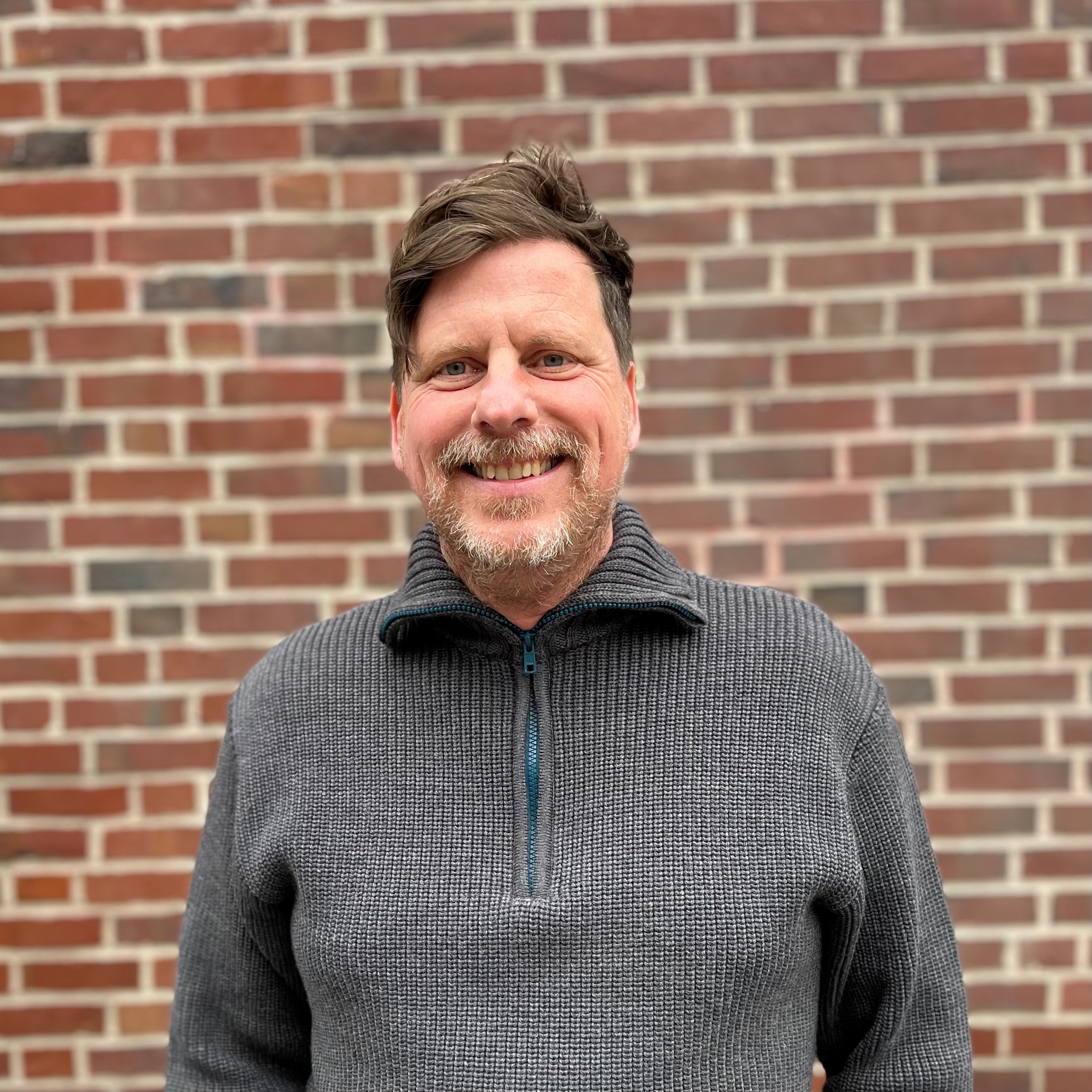
When I finished my forestry degree in 2004 I wanted to make films. Instead, following an internship at a production company, I set up a distribution company, Eduflat (formerly know as Filmsortiment) in 2008 specialised in distributing educational media. Since then we have been licencing our films to German speaking Educational Platforms.
When AI tools were launched I returned to my old dream: to make films and produce them! Inevitably I wanted to begin with history as I teach a class about industrialisation at the Ottensen district archives on a voluntary basis.
I see media from a very different perspective now that I have children.
Benno Heidkamp
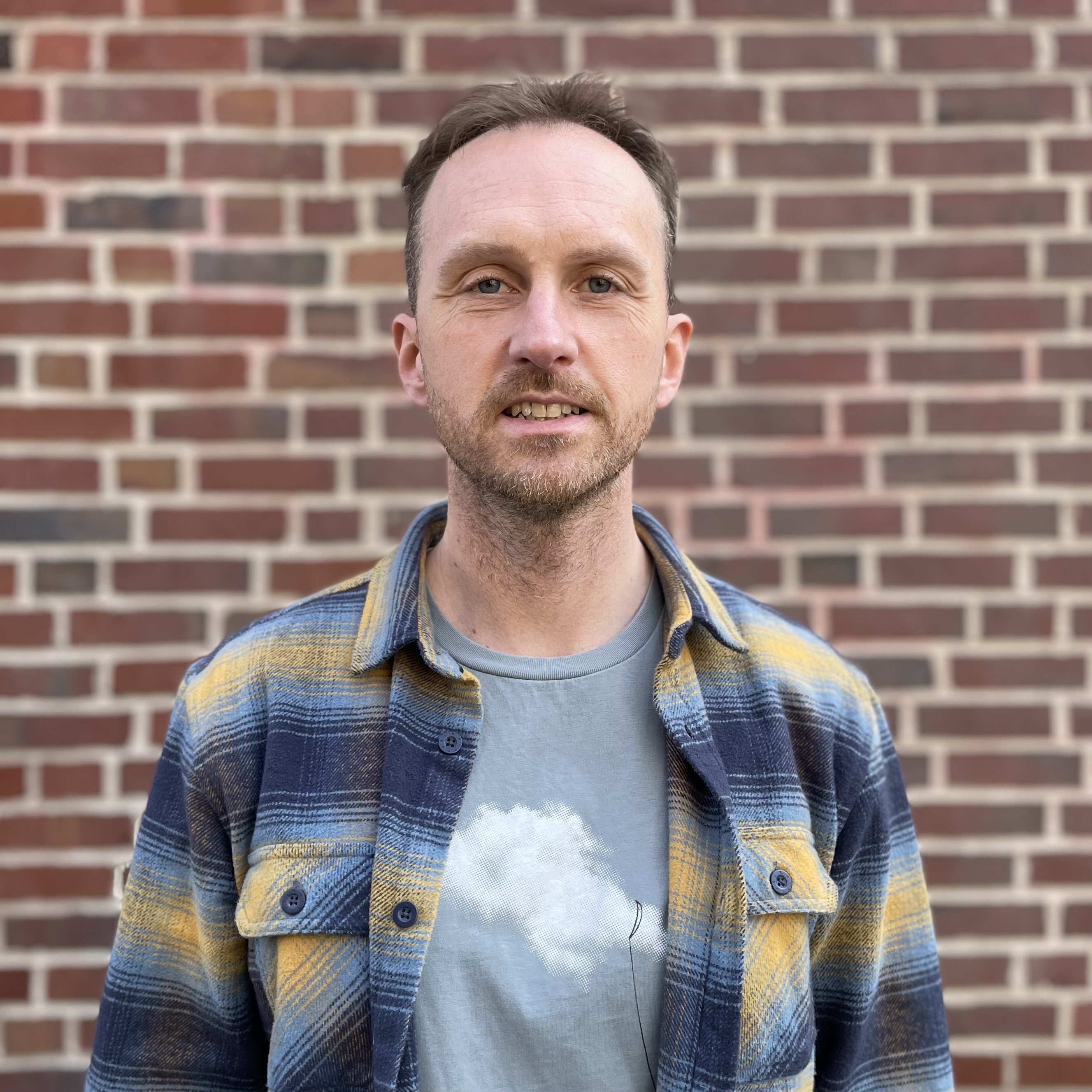
My degree in "Digital Media and Computing in the Humanities" and many years as manager of various digital products for Eduflat were a good basis for this exciting new project. I can combine my two passions: my curiosity about the use of new digital tools for media production and the construction of elegant and effective workflows.
Marc Schäferbarthold
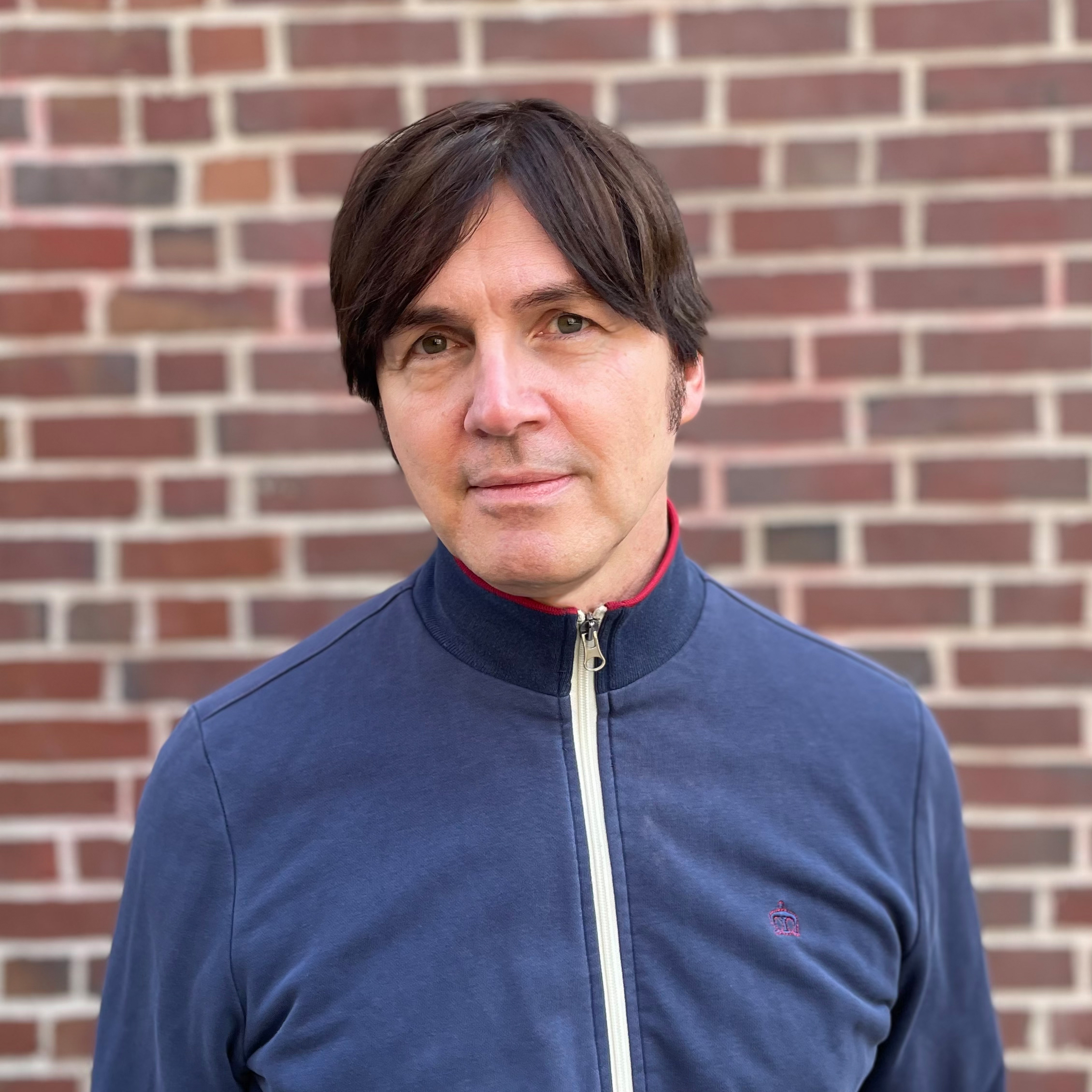
I studied Media (Image and Audio) Design and work in the area of film production specialised in editing, special effects and compositing. I am especially interested in making content not only understandable but also giving it a characteristic language and feel. For this I merge technical implementation and creative design and work intensively with AI tools in production to integrate them into the visual design.
Originally I come from the music production industry. Music has accompanied me since I was a child and even today is my creative home. I can combine these two worlds in my work - in that I can fuse visual storytelling with a developed feeling for rhythm, atmosphere and dynamic and in that way bring new creative impulses to film production.
Marco Naujokat
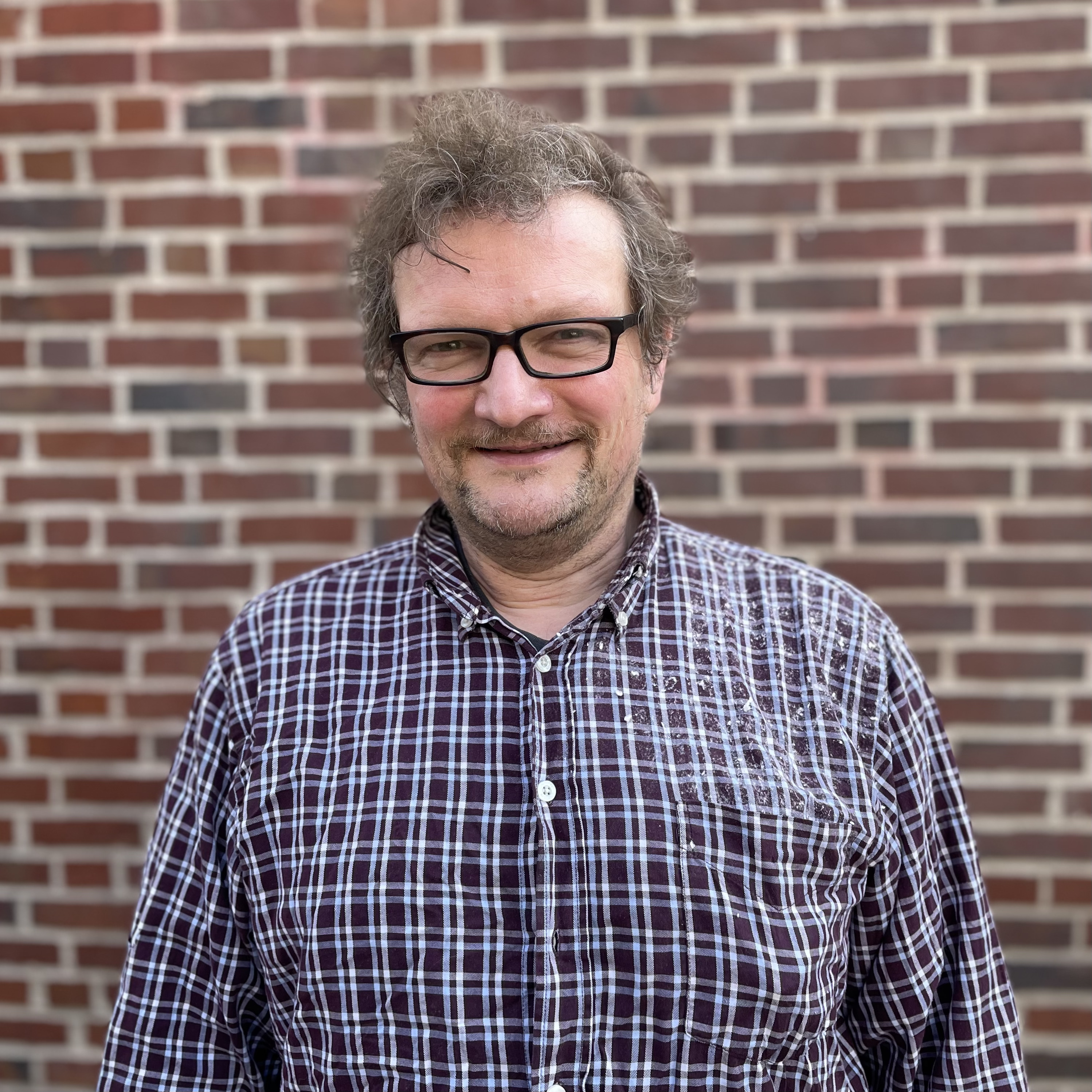
I was trained as a communication designer and as such I have been working for Eduflat for years. For as long as I can remember animation has fascinated me.However, in the daily life of a designer between print, websites etc the necessity for animation hardly exists. That is why I am so happy to be working since February on the special effects sequences and infographics for "Doing History".
The animation sequences are produced using the so-called 2.5D technique which combines the flexibility of 3D animation with the smaller visual images of classical cartoons.
Dirk Hempel
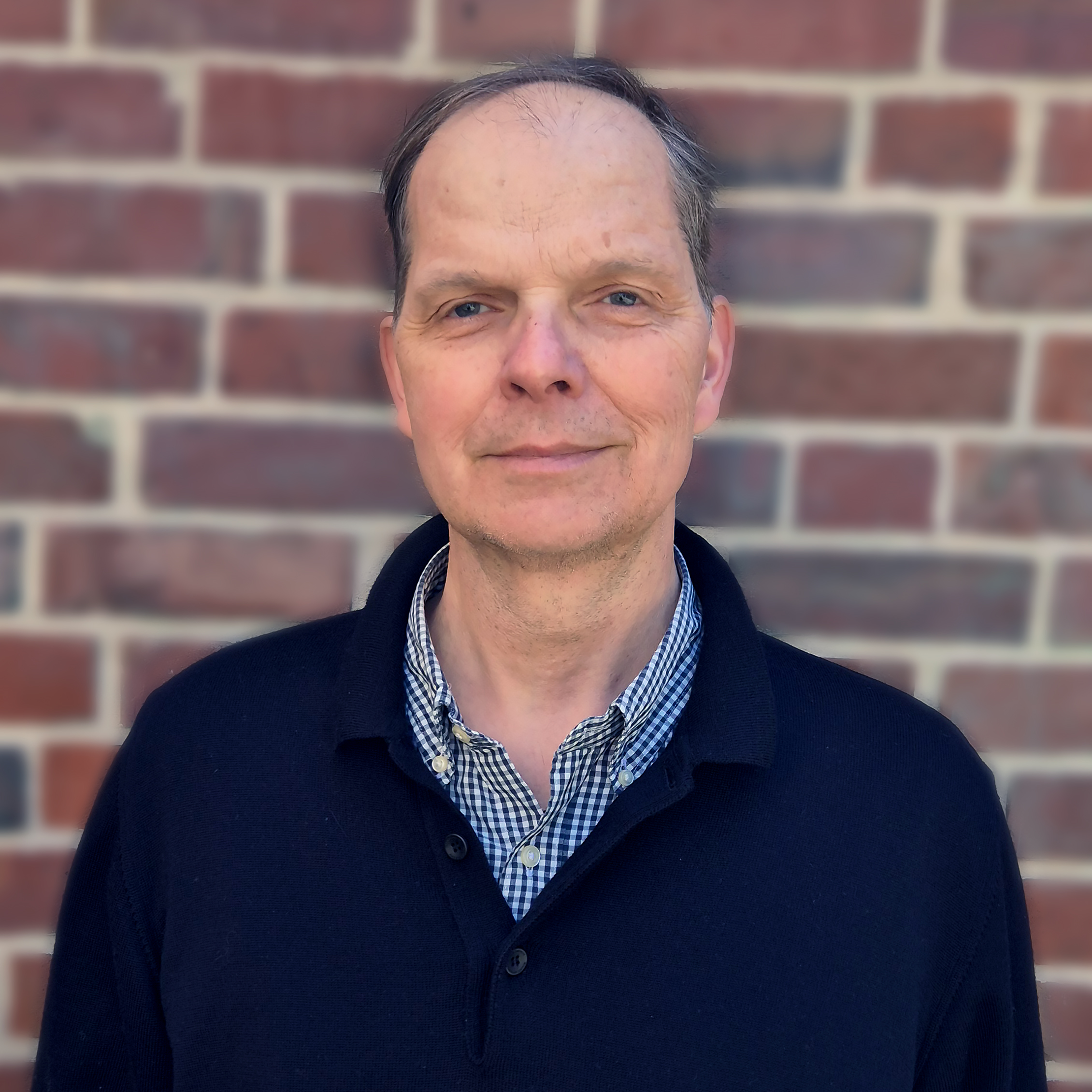
I work as an Art Historian, giving lectures, writing books and articles. While doing so, I like to make historical themes clear and understandable. Additionally I verify facts in the area of History, Politics, Science and Economics for scientific magazines such as "Geo Epoche" and "Galileo", as well as for "Fluter", a magazine for young people published by the Federal Agency for Political Education.
To use my experience in these areas, especially my knowledge of history, together with AI is for me worthwhile and fascinating.
Lennart Jansen

Responsible for automation, online presence and sound design with many years experience in media and creative production. Lennart prepares the AI supported workflows.
Adrian Jansen
I studied History and bring experience in the use of historical sources and images to the project. In my previous work I was involved in media and visual history, especially in the areas of film and TV. In addition to my degree I had a very broad educational training - from the ancient Greeks to the history of the 20th century. Today that helps me to evaluate what is historically plausible and how one can meaningfully visualize content.
In "Doing History" I can combine this perspective with AI supported video production in which it is especially important that historical credibility is preserved even when the technical possibilities are extensive.
For me it is important that AI is used responsibly and not just to "look good". At the same time I find it exciting that AI can stimulate the imagination and bring aspects of history to life which could never be recorded in the same way.
Emily Hutschreuther
I bring a fresh, young perspective to complex educational content. From my degree in History and History of Art I combine historical knowledge with aesthetic feeling. I also have experience in the print medium and in developing media for historical archives.
I am especially interested in the potential of AI to bring history alive where no pictures exist. I enjoy developing concepts which merge technology and history in order to visualize learning for use in the future.
Pilot
The 25min film gives a sound outline of the era covering the Social Question during Industrialisation in Germany. Our team spent many months working on the format and execution of the film. In April 2026 the film had its premiere at the Kesselhaus of the Ottensen District Library; afterwards we discussd it. Other productions on different subjects will follow.
To watch the pilot film, please accept third-party content. This prevents YouTube from setting cookies before you give consent.